
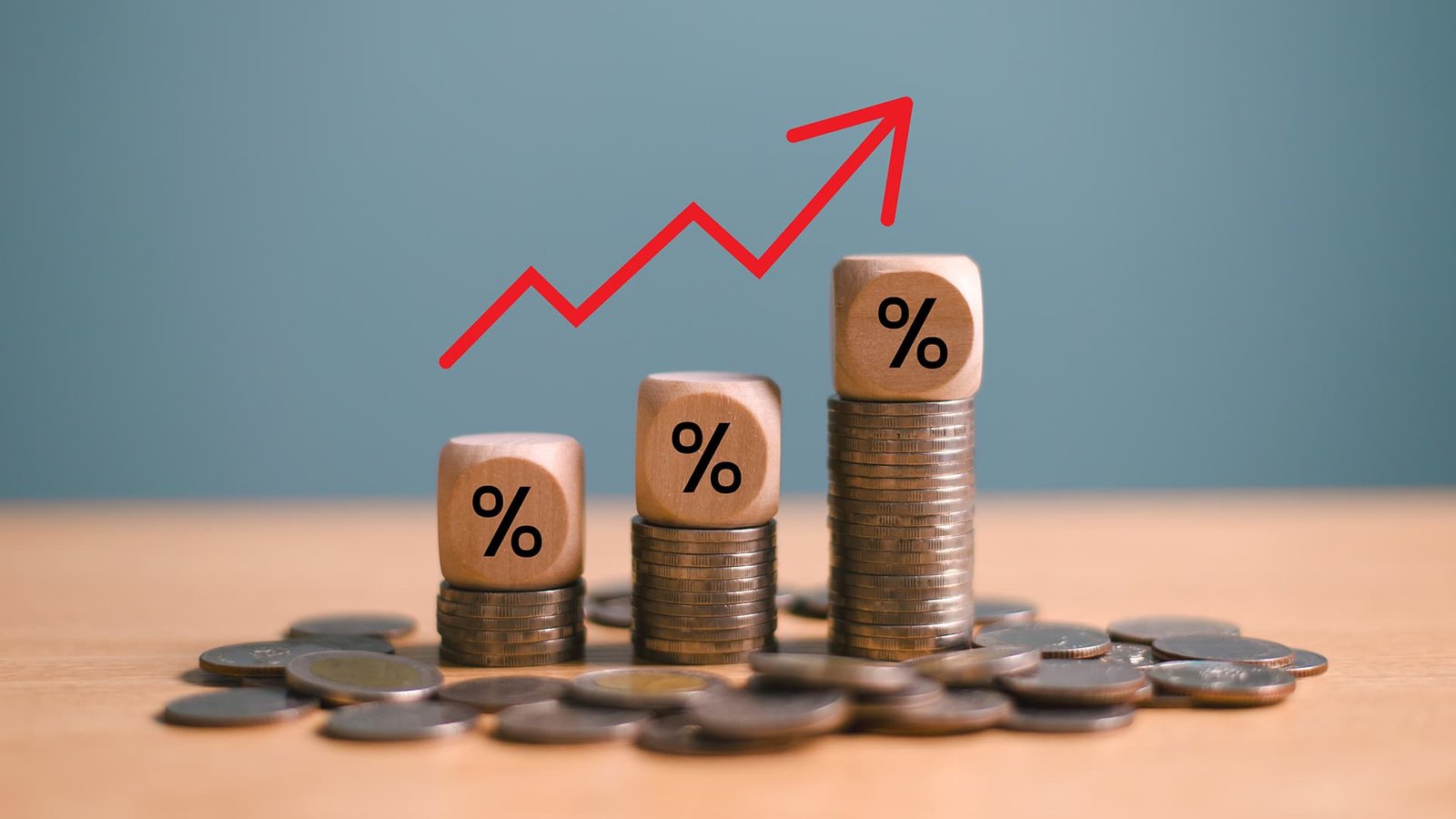
When general prices for goods and services continue to rise, this is known as inflation. It is expressed as an annual percentage increase in the Consumer Price Index (CPI), which is typically calculated by the Bureau of Labor Statistics (BLS) each month. A rise in inflation decreases purchasing power. But that’s not all. Financial markets react, businesses adjust their prices for goods and services, fixed-asset values are affected, and the composition of investment portfolios is influenced. In the current economic climate, where inflation rates are subject to change, advisers have a rare chance to teach their customers how to protect their wealth and make wise financial choices.
What Causes Inflation?
Some variables, such as rising labor and raw material costs or market disruptions, can contribute to inflation. Inflation may also arise from higher demand, and specific monetary and fiscal policies, like reduced taxes or lower interest rates, may act as catalysts. The Federal Reserve in the United States is one of the central banks in developed nations that monitors inflation. Rapid inflation may render the cost of essentials unaffordable. Additionally, inflation diminishes consumer purchasing power, devalues currencies, and can complicate saving money.
There are many potential root causes of inflation:
- Cost-push inflation
- Demand-pull inflation
- Built-in inflation
- The housing market
- Expansionary monetary and fiscal policy
- Monetary devaluation
Cost-Push Inflation
The growing prices of primary production inputs like metals and oil are one indication of potential cost-push inflation. For instance, businesses that rely on copper for their products may raise their pricing if the price of copper increases. Customers will be charged more for raw materials if the company’s demand for the product is unrelated to that for copper. Consumer prices rise as a result, yet there is no shift in the demand for the goods being consumed.
Demand-pull inflation
When salaries are increasing and unemployment is low, consumer confidence tends to be strong, which encourages increased spending. Economic growth directly affects consumer spending in an economy, which might result in a strong demand for goods and services. The amount of a given commodity or service that is available falls as demand rises. According to the economic concept of supply and demand, people are willing to pay more for more scarce things. As a result of demand-pull inflation, prices rise.
Built-in inflation and rising wages
When enough people anticipate future inflation, it’s known as built-in inflation. When the cost of products and services increases, individuals could start to think that prices would continue to climb at a similar rate in the future. To keep up with price increases and preserve their standard of living, workers may begin to demand greater salaries as a result of these shared expectations. Businesses would incur higher expenses as a result of higher wages, which they might then pass along to customers.
The housing market
Over the years, the housing market has experienced fluctuations. Home prices will increase if the economy is expanding and there is a demand for homes. Demand likewise impacts the housing industry’s supporting auxiliary goods and services. Increased demand for building materials like steel and lumber, as well as the nails and rivets used in houses, may raise demand for these materials.
Expansionary fiscal and monetary policy
Government fiscal expansion can raise businesses’ and consumers’ discretionary income. Businesses may use tax cuts to hire more staff, make capital investments, or pay salaries. Consumers might also buy more products. Increasing expenditures on infrastructure projects is another way the government may boost the economy. A rise in the demand for goods and services could lead to price hikes.
Monetary devaluation
Monetarists believe that too many dollars are spent chasing too few goods, which is what leads to inflation. To put it another way, there is now too much money available. Like every other good in the market, the value of money is governed by supply and demand, according to this notion. As the supply increases, the value decreases. When money loses value, its purchasing power decreases, and things become comparatively more costly.
How can inflation be controlled?
Monetary policy is the control of the money supply by central banks in their respective countries. The most popular method of implementing monetary policy is raising and lowering interest rates.
A central bank can, however, also increase or decrease the reserve requirements for banks. Banks are required to have cash on hand or a portion of their deposits with the central bank. While lowering reserve requirements typically boosts economic activity, raising them limits banks’ ability to lend, which slows economic growth. The government can try to combat inflation by increasing taxes or cutting expenditure, which will slow down economic activity; on the other hand, it can try to fight deflation by cutting taxes and increasing spending, which will boost economic activity.
Investment strategies:
The truth about the economy is that inflation will always exist. It may not be inherently good or negative, but it undoubtedly affects the investing climate. Investors must be aware of the effects of inflation and adjust their holdings appropriately. But one thing is obvious: To combat inflationary concerns, investors must maintain a mix of fixed-income and equity assets with sufficient real returns, depending on their unique situation.
Adjusting Financial Plans for Rising Costs:
Inflation impacts not only the price of necessities but also more significant expenditures like retirement, healthcare, and education. Advisors should assist clients in making regular adjustments to their financial plans to reflect growing expenses. These could consist of:
- Reevaluating long-term goals: To keep up with inflation, clients might need to raise their emergency reserves or save more for retirement.
- Revising retirement income plans: Cost-of-living adjustments (COLAs) in retirement plans or inflation-protected guaranteed income packages are examples of inflation-adjusted techniques that advisors should consider for their customers.
Inflation and Debt Management:
Both favorable and unfavorable effects of inflation on debt are possible. Inflation may be advantageous for customers with fixed-rate loans since the loan’s actual value declines with time. However, rising inflation frequently results in higher interest rates, which can make borrowing more expensive for customers with variable-rate debt. Advisors should help clients avoid rising costs by guiding them through measures like paying off variable-rate debt fast or refinancing high-interest debt while interest rates are still low.
Future Purchasing Power:
Businesses can increase the cost of their products and services. Any level of inflation erodes bond investors’ principal and diminishes their future buying power.
Modern inflation has been relatively mild. However, investors are unlikely to take this situation for granted. Even the most cautious investors should keep a healthy number of stocks in their portfolios to guard against inflation’s damaging impacts.
Inflation’s Impact on Savings and Investments:
Advisors can inform customers about the significance of investing in inflation-resistant securities to maintain purchasing power. By giving clients a visual depiction of how various asset classes perform with inflation, the Andex Chart helps them understand the significance of strategies that go beyond simply generating positive returns; they also need to preserve or grow real value over time.
Resources to Help Clients Understand Inflation:
A client’s financial objectives don’t have to be derailed by inflation, which is an unavoidable aspect of economic cycles. Financial advisors may offer the clarity and assurance required for navigating an inflationary climate by teaching their clients how to manage debt, modify their portfolios, and prepare for the long-term implications of inflation. Advisors can establish more solid, trust-based client-advisor relationships by using tools like the Andex Chart to illustrate the value of protecting buying power through inflation-resistant assets.
Conclusion
We are all impacted by inflation, whether it is through the growing price of food, rent, or the depreciation of our savings. The first step to managing inflation is to understand how it operates, even though it may seem like a vast, complex notion. Although central banks and governments have the means to prevent inflation, we as people must also do our part. It can be beneficial to take small actions like prudent investment, monitoring your expenditures, and making plans. Finally, while we cannot wholly prevent inflation, we can prepare for it. By remaining informed and making wise financial decisions, we may stay ahead of the game and safeguard ourselves.
Frequently asked questions
How do we manage inflation?
Nowadays, the nation’s central bank enforces contractionary monetary policies as the primary means of containing inflation. A price cap, which has a poor track record of performance, is the alternative. Soft landings are challenging to execute in either scenario.
How to adjust financials for inflation?
Modify your cost and revenue estimates by applying the inflation rate to your expenses and income. For instance, you would raise your costs gradually to a total of 2% for each subsequent year in your model if you anticipate a 2% yearly inflation rate. Track the effects of growing prices on your earnings over time.
How to control inflation in Pakistan?
To reduce inflation in Pakistan, a diversified strategy that incorporates structural changes together with monetary and fiscal policy is required. Increasing the supply of goods and services, controlling the money supply, and resolving underlying fiscal imbalances are important tactics.
What is the current inflammation rate?
As of April 2025, Pakistan’s yearly inflation rate is 0.3%, the lowest reading since August 1968. In April 2025, consumer prices decreased by 0.8% month over month.
What are the five effects of inflation?
The five main effects of inflation are as follows: it reduces purchasing power, disproportionately affects consumers with lower incomes, may increase interest rates, may result in lower debt servicing costs, and can momentarily increase employment and economic growth. Additionally, it redistributes money, which could hurt people on fixed incomes and help those with debt.