
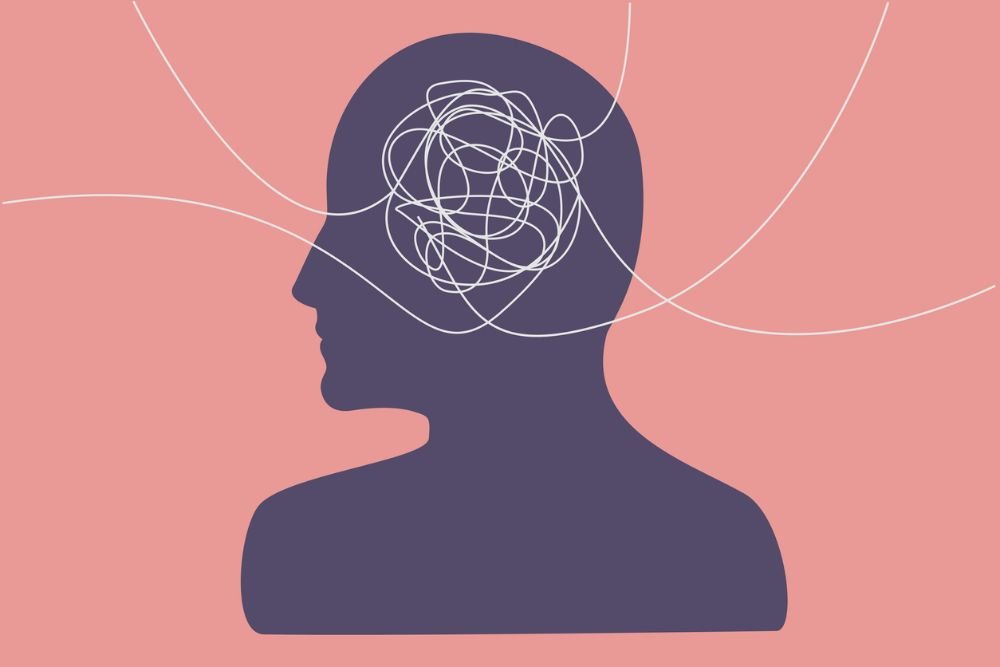
The study of psychological elements that influence criminal behavior, such as the motives, attitudes, feelings, and character attributes of those engaged in unlawful activity, is known as the psychology of crime. This branch of study aims to comprehend how psychological elements combine with social, environmental, and cultural forces to shape criminal conduct, as well as why some people commit crimes while others do not. Some personality features have been linked to a higher risk of committing crimes. Some characteristics that have been connected to criminal behavior include impulsivity, sensation-seeking, low empathy, aggression, and a lack of conscience or shame, which is a sign of psychopathy.
What Is Psychology?
Psychology is defined as a science that studies an individual’s mental condition to forecast their behavior. Psychology is the study of human minds and how they influence behavior. A police job also requires a firm grasp of psychology. Through the analysis of crime scenes, psychological testing, and other behavioral sciences, forensic psychologists and criminal anthropologists help identify suspects. To get insight into a suspect’s thoughts, law enforcement agencies often employ these experts to evaluate the suspect’s probable personality type, lifestyle choices, and quirks.
What Is Crime?
The law defines a crime as an act that is done or not done in violation of public laws. It is sometimes referred to as a criminal offense. Any act that infringes upon the rights of individuals and affects society overall by inspiring or influencing psychopaths and sociopaths and fostering a culture of mistrust and terror is considered a crime.
There are mainly three acceptable theories that define crime according to psychology.
- Consensus View
According to this perspective, how can a crime stay the same while society changes because change is inevitable? To put it briefly, crime changes as society changes.
- Conflict View
The consensus perspective and this point of view are wholly at odds. According to this perspective, society is made up of a variety of parts, and because of these differences, conflicts emerge between them, which in turn promote crime.
- Interactionist View
This is a perspective that lies in the middle of the conflict and consensus perspectives. According to this perspective, changes influence moral standards in ethical standards, and there is no such thing as a moral right or wrong.
How Is Psychology Related to Criminal Behavior?
Psychology is the study of human thought and behavior. Forensic psychologists and correctional psychologists, among others, use this analytical attitude to contribute significantly to the fields of criminology and criminal justice. We get closer to comprehending why these crimes happen—and to creating early intervention methods that can help stop some of these crimes in the future—when we look at the actions of particular offenders and the underlying motives that propel their criminal conduct.
Psychological Factors That Contribute to Criminal Acts
A person’s undesirable behavior is frequently caused by one or more psychological reasons when they commit a crime. Some prevalent psychological traits linked to criminal offenders will be discussed below.
1. Personality Disorders
While a variety of personality disorders can influence an individual’s propensity to commit crimes, the following disorders are most frequently observed among criminals.
Major Depressive Disorder
Dependent Personality Disorder
Antisocial Personality Disorder
Borderline Personality Disorder
2. Trauma
The effects of a child’s life-altering experiences, such as physical abuse, neglect, or seeing a friend or family member die at the hands of another, can last a lifetime. Victims may commit crimes as a result of trauma symptoms like animosity and paranoid thoughts that can occasionally last into adulthood. When an adolescent witnesses repeated acts of violence in their neighborhood, for example, the probability rises.
3. Substance Abuse and Addiction
People who are addicted experience changes in their thoughts, perceptions of the world, and behaviors as a result of the brain’s altered functioning. Addiction can occasionally cause someone to engage in destructive and unlawful behaviors, like stealing and domestic abuse.
The Relation Between Emotional Intelligence and Criminal Behavior
There is a strong correlation between emotional intelligence and criminal behavior. Emotionally intelligent people are less impulsive and have better emotional regulation skills. People who have poor EI are more likely to engage in dangerous activity. They also tend to be less sympathetic since they find it difficult to see things from other people’s viewpoints.[18] In general, those with higher EI levels are better able to comply with organizational standards since they are more empathetic.[18] In offenders, a diminished ability to control emotions may sustain an offending pattern of behavior. For instance, uncontrolled negative emotions are frequently the precursor to online child sexual assault.[3] TheThe bad action itself may serve as a way to control and release this negative emotion.
A Serial Killer’s Psychological Analysis
Someone who kills three or more people over more than a month, with a significant interval between each murder, usually for abnormal psychological pleasure, is considered a serial killer. The term “serial killing” refers to “a series of two or more killings, carried out as distinct incidents, typically, but not always, by one perpetrator acting alone.
To deal with their social isolation, these individuals retreat into their imaginatively controlled dream world. All serial killers, regardless of the reason behind their killings, begin their destructive journey with fantasies.
Thought Process And Actions Of Serial Killers
Based on some research in this area, it was possible to identify the mental patterns and behaviors of serial killers, which are divided into five phases that are cycled through.
Distorted thinking phase
All serial killers go through this psychological phase. Because he disregards the consequences and is more focused on the emotional fulfillment that his actions may bring, the individual is unable to assess the impact of deviant conduct fairly.
- Motivational Phase
The change to this stage results in a single incident or sequence of events, whether imagined or real. Because the stimulus is perceived as personal, the subject’s skewed perspective causes them to react to situations exaggeratedly.
- Inner Negative Answer Phase
During this phase, the murderer has to cope with feelings of inadequacy, particularly if socially unfavorable cues surround him.
- External Negative Response Phase
This element helps the person justify his superiority. He has little interest in the potential repercussions of his illegal behavior.
- Restoration Phase
This stage restores the subject’s equilibrium from the beginning of the procedure. Additionally, the murderer thinks about measures to lessen personal risks in subsequent killings.
- Psychological Profiling of Criminal
Psychological profiling is a technique used chiefly in criminal investigations to deduce the traits of criminals from the specifics of their acts. The crime scene, victim profiles, and the offender’s tactics are only a few of the elements that are examined in this strategy. By looking at these elements, profilers hope to create a profile that includes possible characteristics such as the suspect’s physical attributes, mental state, and psychological composition, which will help law enforcement find and question people of interest.
- Factors Influencing Criminal Behavior
People who commit crimes are usually impacted by a mix of different biological, psychological, and social elements.
Biological Factors
The thinking region of the brain that controls self-control, the prefrontal cortex, may be undeveloped or injured in people who behave antisocially. Teenage delinquent behavior may be explained by the fact that the prefrontal brain does not fully develop until the mid-20s. The amygdala is another area of the brain that influences criminal behavior; it is engaged in social interaction, fear, and aggression.
Sociological Theories
Examining the social and environmental elements that motivate or inspire people to commit crimes, researchers have put forth a number of ideas. Neighborhood dynamics, pressure from social institutions and cultural goals, and the emergence of subcultural systems are some of the factors that some theorists attribute to criminal behavior. Other ideas propose that a variety of biological and social variables, emotions of unfair disadvantage in comparison to others, and rational decisions are all criminal influences. Relationship strength and adherence to the law are two examples of theories that look at why people don’t commit crimes.
Psychological Theories
Extraversion, neuroticism, agreeableness, openness, and conscientiousness are among the personality traits that psychological theories evaluate while analyzing criminal behavior. To make up for low arousal levels, they also look at the idea of the psychopathic personality, which is characterized by criminal thrill-seeking activity. Research shows that impulsivity, narcissism, and hostility are personality qualities that are associated with criminal and delinquent behavior.
- Role of Forensic Psychology in Criminal Justice
To comprehend the psychological elements of a case, forensic psychologists use psychological concepts and confer with those employed by the criminal justice system. In court, they could also provide expert witness testimony. Forensic psychology experts will be crucial in assisting the political system, the criminal justice system, and the general public in comprehending the elements that lead and motivate people to commit crimes.
Conclusion
Crime isn’t necessarily about being bad or breaking the law. It is frequently associated with an individual’s thoughts, emotions, and life events. Some criminals are the result of traumatic childhood experiences, abuse, or challenging upbringings. Others might have personality disorders, anger management issues, or depression. Instead of simply punishing someone, we might assist them when we comprehend the motivations underlying their behavior. People might be able to alter their behavior if we provide them the opportunity to speak with counselors, participate in therapy, or receive mental health care.
Frequently Asked Questions
What is the criminal behavior influenced by?
The term “criminal behavior” describes actions that go against the law and social norms; these actions frequently involve violence and antisocial conduct. It is more common among young men and is impacted by a number of factors, including social, psychological, and environmental ones.
What are the psychological effects of crime?
The effects on people may include: Physical harm resulting from assaults may be temporary or permanent. Emotional: Victims may experience tension, worry, and anxiety, which can cause loneliness and broken relationships. Financial: Families may experience economic hardship as a result of losing money or property.
What are the psychological roots of crime?
Psychological theories of crime can be divided into four main categories: learned behaviors of aggression and violence, psychological development failures, innate personality features, and the connection between criminality and mental illness.
What is the influence of crime?
Economic circumstances, such as job availability, poverty level, and median salary. Cultural elements, as well as traits related to education, leisure, and religion. Family circumstances in terms of cohesion and divorce. Weather.
What is the most significant cause of crime?
Criminologists try to explain the motivations behind the actions of criminals. People breach the law for a variety of reasons, such as nature, poverty, childhood experiences, peer pressure, and drug and alcohol abuse.