
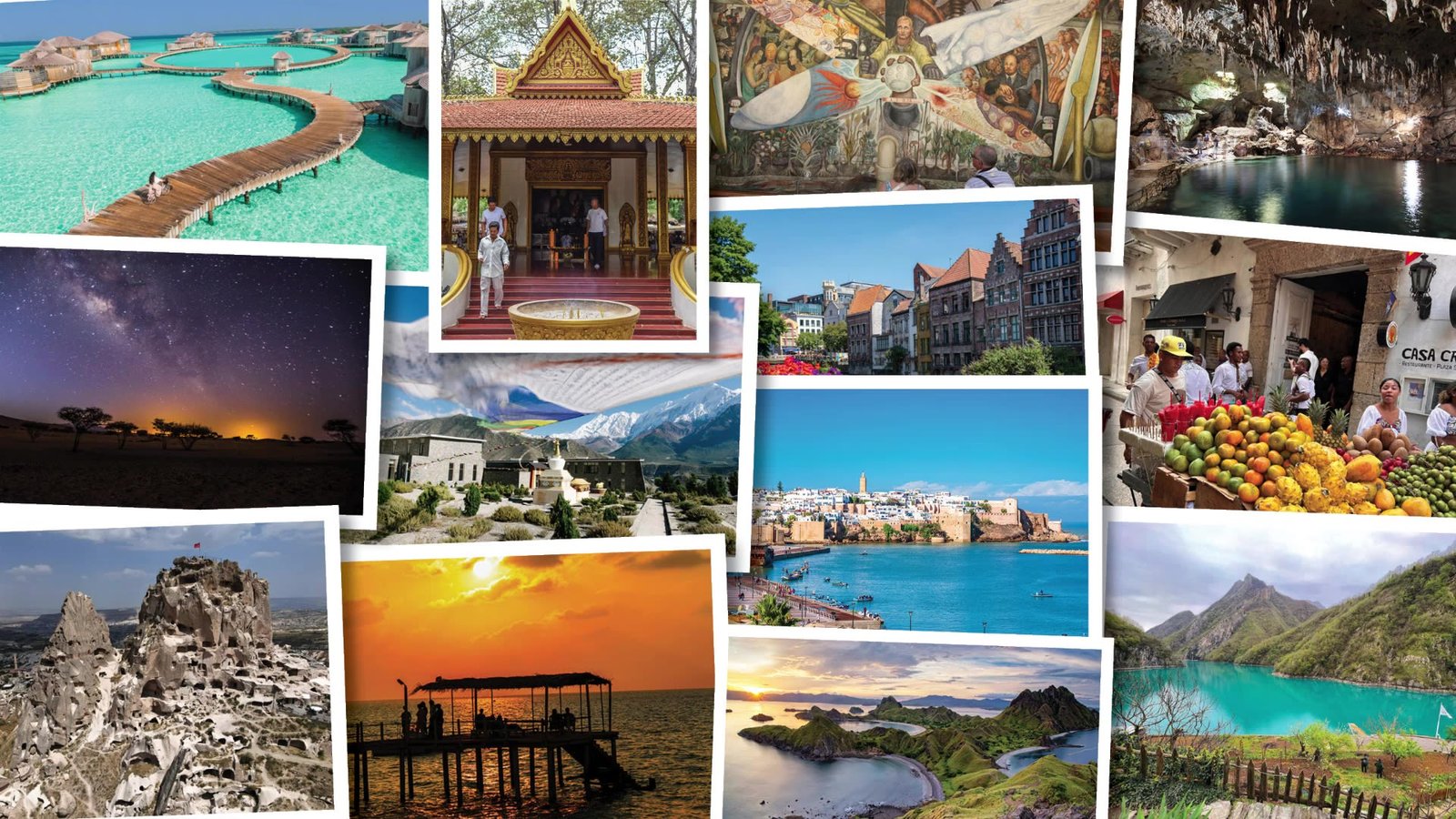
Sustainable tourism has evolved into more than just a trend. It is a response to the public’s growing concern for ethical travel options and a shift in how we perceive the world. Therefore, when we discuss sustainable tourism, we mean a dedication to protecting the environment, promoting ethical and responsible travel, and ensuring the welfare of local populations. We take into account the present and future effects on the environment, society, and economy when we travel mindfully. It’s not only about exploring new locations and cultures; it’s also about doing it in a way that preserves the environment and helps the communities where we go, turning our travels into significant contributions to the world.
What is Sustainable Tourism?
Sustainable tourism is a type of travel that seeks to protect local cultures, lessen adverse effects on the environment, and benefit local communities. The idea behind sustainable tourism is that if it is planned and run responsibly, it may have a lasting positive influence and make the world a better place. Even if eco-friendly travel is becoming more and more popular, there are still many misconceptions about what it entails. Let’s clear up some common misunderstandings and discuss the facts of sustainable tourism.
Impact of Sustainable Tourism
Sustainable tourism describes eco-friendly methods used by and within the travel and tourism sector. It is a goal to recognize all of the effects of tourism, both good and bad. Its objective is to maximize the beneficial effects and reduce the negative ones.
Negative Impacts
Include, to mention a few, overcrowding, environmental harm, and economic leakage to a destination.
Positive Impacts
A location includes the creation of jobs, the preservation and interpretation of cultural assets, the conservation of species, and landscape restoration.
The goal of Sustainable Tourism
The goal of sustainable tourism is to balance community development, environmental preservation, and tourism growth. One of its main objectives is to address sustainability by conserving resources through initiatives that protect the environment and cultural heritage while reducing adverse effects. By encouraging good relations between visitors and residents and preserving traditions, this strategy guarantees that future generations will be able to appreciate places and cultures. It’s a practical strategy to strike a balance between community well-being, tourism satisfaction, business development, and environmental health, turning “sustainable travel” from a catchphrase into an intentional decision with long-term consequences.
The Difference Between Responsible Travel, Ecotourism, and Sustainable Tourism
Responsible Tourism
Respectful relationships with inhabitants and the environment are encouraged by responsible tourism, which focuses on the attitudes and behaviors of visitors toward the location.
Ecotourism
Ecotourism, a sustainable type of tourism based on natural resources, is mainly about enjoying and learning about nature. It is ethically managed to be locally focused, low-impact, and non-consumptive. It usually takes place in natural regions, and it ought to help preserve or conserve them.
Sustainable Tourism
Between tourists, companies, and governments is necessary for sustainable tourism, which extends beyond individual acts to address industry concerns like economic viability, social equality, and environmental protection.
Types of Sustainable Tourism
Ecotourism
A type of sustainable tourism known as ecotourism emphasizes discovering and enjoying nature while reducing adverse environmental effects. Its objectives are to increase awareness of environmental issues, assist local communities, and encourage conservation.
Soft Tourism
The concept of “soft tourism,” sometimes referred to as “slow tourism,” highlights a more laid-back, private, and thoughtful way of traveling. Instead of merely hurrying from one tourist destination to another, it invites visitors to engage with the locals, experience meaningful things, and become fully immersed in the culture.
Community Tourism
Community tourism, sometimes referred to as locally-led tourism, is a type of sustainable tourism that centers the traveler experience on the local community. Its objectives are to protect cultural heritage, empower locals, and distribute economic advantages throughout the community.
Rural Tourism
The focus of rural tourism is on rural regions as opposed to urban ones. Activities available to visitors include agritourism, camping, nature walks, and sampling local food. The idea of farm stays is an illustration of rural tourism. Visitors can stay on a working farm, experience the agricultural way of life, and take part in farm activities during farm stays.
Why is Sustainable Tourism Important?
The future of travel greatly depends on sustainable tourism. It represents ethical and responsible behavior that is essential to the health of our world, communities, and travel destinations. These are some justifications for the significance of sustainable tourism and how it might influence how we view and preserve the environment.
Preserving our Natural wonders
Our passport to preserving our planet’s magnificent beauty is this. Future generations will be able to appreciate beautiful landscapes, flourishing coral reefs, and a wide variety of fauna if we reduce carbon emissions, minimize waste, and safeguard delicate ecosystems.
Safeguarding Cultural Heritage
It respects regional customs and cultures for their authenticity. By honoring traditions and interacting with local populations, we support the preservation of distinctive cultural heritage, empowering craftspeople and promoting intercultural understanding. It all comes down to celebrating variety and creating deep connections.
Empowering Local Communities
Globally, sustainable tourism is a driving force behind constructive community transformation. It generates revenue and jobs for residents, especially in rural and underserved areas, creating economic opportunities. We improve communities, encourage inclusive growth, and reduce poverty when we travel properly.
Promoting Ethical practices and consumer protection
Sustainable tourism contributes to a more moral and responsible travel environment by promoting openness, accountability, and fairness for all parties involved while maintaining the legality of tourism enterprises.
Combating Climate Change
With sustainability at its heart, travel may be a potent weapon in the battle against global warming. In order to lessen our carbon footprint and help create a more resilient future, we should embrace renewable energy, adopt energy-efficient behaviors, and promote sustainable modes of transportation.
Protects the Environment
We may actively help to preserve the natural beauty and harmony of our globe and protect our environment by selecting sustainable travel. In addition to supporting biodiversity conservation, sustainable travel helps address problems, including pollution, erosion, and deforestation. This guarantees that future generations will be able to enjoy and value these natural treasures.
Attitude Shift
Ecological balance and socioeconomic justice are the goals of sustainable tourism. Because it aims to prevent current enjoyment from coming at the expense of future depletion, green tourism requires a sustained commitment from both travelers and hospitality industry professionals.
Protects the Environment
Deciding to travel sustainably allows us to actively protect the environment and preserve the natural equilibrium and beauty of our planet. Travel that is sustainable promotes biodiversity conservation and helps address problems like pollution, erosion, and deforestation. This guarantees that these natural treasures will remain valuable and enjoyable for years to come.
The Best Destinations for Sustainable Travel
It is possible to have amazing experiences when visiting places that put sustainability first. As responsible citizens of the world, we have an obligation to support travel destinations that work to preserve cultural heritage, protect the environment, and improve local communities. Let us explore some of the most sustainable tourism sites that have won awards for their dedication to environmental friendliness.
Bawah Reserve Indonesia
Bawah is a five-star resort approved by the Singing Blue WWF program and the first island in Indonesia to be powered by a renewable microgrid. In addition to dining at restaurants that offer food from their own permaculture vegetable and herb gardens, visitors to the otherworldly reserve may see the property’s 18 floating solar platforms, which are sufficient to meet the majority of the island’s energy needs. Bawah Reserve’s so-called “ECOmmittee” plans monthly projects ranging from beach clean-ups to turtle protection, and 98 percent of its staff are Indonesian.
Peninsula Papagayo, Costa Rice
Costa Rica has long been a pioneer in eco-friendly travel, with plans to become the world’s first carbon-neutral nation and generate over 93% of its electricity from renewable sources. One of the greatest dry tropical forests in Central America may be found on the Peninsula Papagayo, which lies in the northwest province of Guanacaste. The 1,400-acre resort community has six distinct groups that make up its committee system, which is highly focused on sustainability. While projects vary from establishing a clinic for children to conserving archaeological sites, their home garden project
Spain
Spain is well known for its bustling cities, breathtaking beaches, and extensive history. The creation of environmentally friendly lodging, the protection of natural parks, and the encouragement of responsible travel in delicate ecosystems are just a few of the noteworthy actions the nation has taken to advance sustainable tourism. For example, Barcelona has taken steps to encourage sustainable mobility options, enhance recycling, and decrease garbage.
Bhutan
One of the best examples of sustainable tourism is Bhutan, which is located in the eastern part of the Himalayas. Their distinctive strategy, known as “Gross National Happiness,” places a higher priority on environmental preservation. Cultural preservation and well-being, rather than economic growth. Bhutan is committed to carbon neutrality and has a high-value, low-impact tourist policy in place to safeguard its pristine nature and culture.
Rwanda Africa
Rwandan gorilla trekking is a top choice for the ultimate bucket list trip that fits in nicely with travel that prioritizes sustainability. Kenya is already known for its dedication to responsible tourism and conservation, and Dusek’s Few & Far itinerary empowers rural women through female tracking, guiding, and porter teams while also supporting rural communities in Kenya’s Masai Mara.
Conclusion
When travel becomes more accessible, it’s simple to get caught up in the pattern of going to the same places that everyone else is going to. But there’s something really unique about going off the main path, finding locations. Where nature still flourishes, culture feels more intimate, and there aren’t as many visitors. In addition to enhancing our own experiences, selecting unusual locations and taking eco-friendly vacations also contribute to the preservation of the very places we fall in love with. Making deliberate decisions that benefit the environment and local communities is what sustainable tourism is all about: not abandoning comfort or adventure.
Frequently Asked Questions
What is the concept of tourism?
In its broadest sense, tourism is the act of leaving one’s everyday surroundings to engage in leisure, relaxation, or recreation. It entails people temporarily relocating to locations other than their usual homes or places of employment. The desire to explore new things, unwind, and take advantage of the amenities and services provided at the location is what motivates this movement.
What is the difference between travel and tourism?
While the term “travel” generally refers to the act of going from one location to another, “tourism” is a particular kind of travel that is mainly intended for leisure and amusement. In essence, not all travelers are tourists, but all tourists are travelers. Activities and businesses that serve leisure travelers, especially those who remain for at least one night, are referred to as tourism. Conversely, travel covers a broader range of objectives, including going on business, seeing relatives, or relocating for a job.
What are the components of tourism?
The five essential elements of a tourism system are activities, accommodations, amenities, accessibility, and attractions. a) Attraction: Attractions are the first step in every tourism activity. There must be an attraction at a location or destination before people or tourists will go there.
What is accommodation in tourism?
Accommodations are collections of rooms or buildings where people can live or stay. They are crucial for visitors who wish to travel to another place or go on a trip because they will always need a place to stay, like hotels, campgrounds, caravan parks, etc.