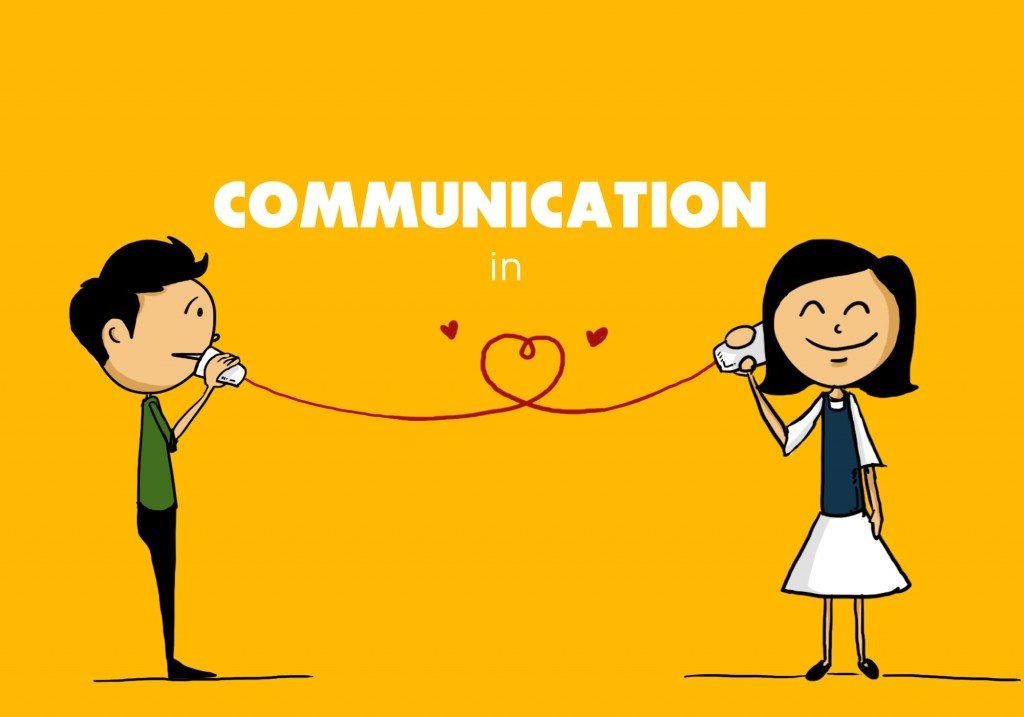
In any relationship, communication is essential. However, it’s not always simple to communicate effectively. Emotional barriers, presumptions, and misunderstandings can prevent us from connecting with our relationships on a deep level. This blog article will examine the art of relationship communication, revealing crucial tactics and methods to build closer bonds. You may build a successful, long-lasting relationship by being an expert communicator. We may create a world where connections are strengthened, relationships flourish, and disputes are settled amicably.
The Power of Effective Communication
Effective communication accelerates building solid connections, encourages trust, and attains favourable outcomes. It enables you to listen intently to others, comprehend their viewpoints, and articulate your ideas and emotions clearly. Effective communication facilitates the resolution of disagreements, fosters teamwork, and enables the sharing and successful implementation of ideas. Good communication is a valuable ability that promotes both professional and personal development and opens doors to opportunities.
The Importance of Effective Communication in Relationships
Healthy and successful relationships are built on effective communication. It enables people to resolve problems, comprehend the viewpoints of others, and express themselves truthfully. Relationships suffer from poor communication, which results in miscommunication, animosity, and alienation. Honest and open communication is essential to developing solid connections. This entails paying attention to what other people are saying, communicating your ideas and emotions clearly, and being open to criticism. People are more likely to feel valued and appreciated when they are heard and understood, which strengthens the bond between them.
- Listening and communication
One of the most crucial aspects of good communication is listening. A good listener can foster honest and open communication. Some pointers for effective listening are:
- When appropriate for your culture, maintain comfortable eye contact.
- Position yourself with your arms and legs uncrossed in an open, non-defensive, and relatively relaxed manner.
- To avoid gazing down on or up at the other person, sit or stand on their level.
- Give the other person your full attention while they speak.
- Be interested and attentive.
Practical Tips for Effective Communication
1. Practice Active Listening:
Focus on the speaker and refrain from interjecting to engage in active listening. By nodding, keeping eye contact, and using phrases like “I see” or “That makes sense,” you can demonstrate that you are paying attention. Once the speaker is done, make sure you understand by summarising what you’ve heard.
2. Clarity and Conciseness:
Prepare your ideas in advance so that your communication is clear and well-structured. Use plain, uncomplicated language to avoid jargon and superfluous complication. This will improve understanding and lower the likelihood of miscommunication.
3. Detail and Accuracy:
Be clear and precise in your communication. Explain your sentiments, expectations, and opinions in detail.
4. Frank and Open Communication:
Encourage an open and honest environment. Tell people how you feel and what you think, and encourage them to do the same. Open communication creates a safe space for real engagement and builds confidence.
5. Non-Verbal Communication:
Nonverbal cues are important in communication because they can often express intentions and feelings more effectively than words alone. Keep your tone of speech, facial expressions, and body language in mind. Keep eye contact, highlight important points with gestures, and make sure your nonverbal clues match what you’re saying. Being aware of your nonverbal cues can help you build a deeper relationship with others and increase the impact of your message.
6. Adaptability and Flexibility:
Effective communication requires the ability to adjust and be flexible to accommodate various people and circumstances. Everybody has different communication preferences and styles; therefore, acknowledge this. Make the required adjustments to your communication style, taking into account the particular setting, personality types, and cultural variations. Being adaptable and changing the way you communicate can help you build stronger relationships and promote greater understanding.
7. Ongoing Enhancement:
Developing excellent communication skills is an ongoing endeavour. Regularly assess your communication skills and make improvements. Consult your spouse or other loved ones for their thoughts, and be prepared to make adjustments that will enhance understanding and communication
8. Ask Open-Ended Questions:
Ask open-ended questions that don’t require a yes/no response to promote deeper discussions. A deeper understanding and connection are fostered as a result of the other person being encouraged to express their thoughts and feelings more.
9. Time Is Everything:
Decide when essential conversations should take place. Avoid sensitive themes when you’re upset or under stress. Choose a time when everyone can contribute calmly and clearly.
10. Compassion:
Empathy is a skill that is necessary for effective communication. Understand the sentiments and experiences of your friend, lover, or family member. Empathy creates a close connection and makes it easier for people to open up to you.
11. Respect each other’s boundaries:
Respecting one another’s limits is essential in any relationship. It implies being aware of and respecting that everyone has boundaries about how much they can and/or will put up with. When people don’t respect one another’s limits, it’s simple to go too far and start a fight. Couples can make sure they are in agreement and prevent misunderstandings by outlining their wants and expectations in detail.
12. Be assertive, not aggressive:
Being assertive is having the capacity to politely and effectively communicate your wants and thoughts. It’s the compromise between excessive passivity and aggression. It’s crucial to communicate with your partner in an assertive rather than hostile manner. Avoiding any actions that can be interpreted as intimidating, demanding, or directive is part of this. Saying something like, “I would appreciate it if you could listen to what I have to say,” as opposed to, “you need to listen to me,” is an example.
13. Be willing to compromise:
There may be occasions in any relationship when we must make concessions to come to an agreement that benefits us both. This can be everything from choosing what to watch on television to planning our weekend activities. Making a compromise demonstrates our willingness to meet our partner halfway, which is why it is crucial in communication. It can be helpful to keep in mind that compromise is not about winning or caving in, but rather about coming up with a solution that benefits all parties.
Conflict Resolution and Effective Communication
Although disagreements will inevitably arise in any relationship, how they are resolved can have a significant impact. Effective communication is essential to resolve conflicts positively. People can use it to voice their worries, hear other people’s viewpoints, and try to come up with solutions that will benefit all parties. When disputes emerge, it’s critical to address them with compassion, attentive listening, and an open mind. Conflicts can be settled while relationships are maintained by concentrating on identifying points of agreement, reaching a compromise, and upholding respect.
Some things are difficult to communicate.
Most people find it challenging to discuss certain events or subjects, and as a result, they can experience pain or discomfort. Some people, for instance, have trouble expressing their feelings. The most painful things are frequently the ones that cannot be discussed. You might find that speaking with a counsellor helps if you are struggling to communicate with your partner or express yourself.
- Common Barriers to Effective Communication
- People-Pleasing and Self-Esteem Issues
Poor communication might result from low self-esteem or from equating one’s value with pleasing other people. Our needs are neglected when we don’t advocate for ourselves, sometimes due to a fear of disagreement or rejection. Suppression like this can cause emotional outbursts that appear “random” but are the product of long-held, spoken emotions.
Stonewalling
Stonewalling is a severe emotional shutdown brought on by being overwhelmed, which results in emotional detachment.
Conclusion
People can resolve issues, build healthy relationships, and create meaningful connections by using effective communication, which is a strong tool. Gaining proficiency in communication can help people overcome obstacles more easily, improve teamwork, and establish trust. Every facet of good communication, from empathy and nonverbal clues to active listening and boundary-setting, strengthens bonds between people. Furthermore, putting communication standards into place in businesses guarantees a positive workplace culture that promotes inclusivity and candid discussion. Let’s set out to become proficient in effective communication and discover its potential to encourage success and fulfilment in all facets of life. Through the art of communication,
Frequently Asked Questions
- What is the art of communication?
The goal of the skill-development program, The Art of Communications, is to establish a common language and shared meaning. The abilities are utilised to effectively and efficiently transfer ideas and information throughout organisational units and with essential stakeholders.
- How to fix communication in a relationship?
Actively practising listening, being forthright and honest, and comprehending your partner’s viewpoint are all ways to enhance communication in a relationship. Ask for clarification rather than assuming you understand what they mean.
- What makes communication effective in a relationship?
Make sure your message is understood. Make sure your message is clear enough for your spouse to hear correctly and comprehend what you’re saying. Discuss the situation and how it impacts you. Use “I” words like “I need,” “I want,” and “I feel” when discussing your needs, wants, and feelings.
- What are the communication skills?
Written correspondence. Communicate concepts and details using written language.
Verbal communication. Use verbal communication to convey concepts and facts.
Visual and nonverbal communication…
- How to master the art of communication?
Listening.
Practice Empathy.
Seek Feedback.
Practice Public Speaking.
Read and Write Regularly.
Use Visual Aids.
Practice with Different Audiences.
Seek Opportunities to Communicate.