
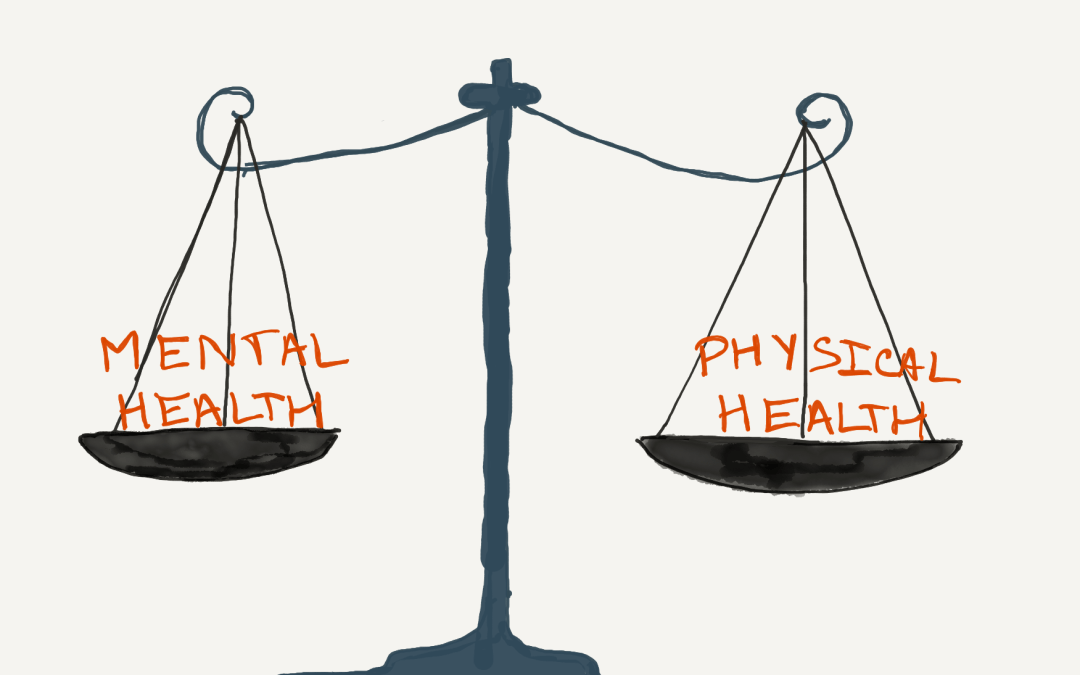
Nature is essential to our emotional, mental, and physical well-being. Many people have a strong need for nature. Which benefits our mental, emotional, and physical well-being..Experiencing green spaces outdoors has been linked to psychological and physical health benefits, including lower death rates. In addition to stimulating other senses, time spent outside offers a respite from the usual overstimulation of metropolitan settings. If there are green areas within a short or medium distance of your house, consider taking a bike or walking there to reap the health benefits of exercise while receiving. Much of the day is spent in front of a screen, whether it be a computer, TV, or smartphone. We consequently spend less time outside, taking in the scenery.
Nature has played a Critical role in our Mental Health
According to our research at the Mental Health Foundation, one of the main ways that people have been able to manage the stress of the COVID-19 outbreak is by spending time outside. Almost half (45%) of respondents in the UK said that going to green areas, including parks, helped them deal with the pandemic.
Our results are consistent with past studies that revealed that people’s well-being was primarily supported by their visits to and observations of nature. This is a significant point because it clarifies how a connection to nature can unlock mental health advantages and provides crucial hints on optimising these benefits for our overall well-being.
Connecting with Nature
Spending time in nature benefits us for many reasons. Many have long advocated “fresh air and exercise” to improve their bodily and mental well-being. The way we interact with and perceive nature is referred to as connectedness. A strong connection to nature entails an intimate bond or emotional affinity to our natural environment. We may strengthen our bond with nature in several ways. Engaging in sensory-based activities and those that evoke feelings of compassion, beauty, or meaning in the natural world can foster our connection to it.
Ways to Get Outside into Nature Help Improve Your Health
Nature can improve physical wellness. Spending time in nature can inspire us to walk, ride, hike, or kayak more frequently. Generally speaking, those who are in nature are physically active. Therefore, being outside can help you maintain a healthy weight and even help you lose weight. According to studies, spending time in nature also benefits our bodies by lowering cortisol levels, easing tense muscles, and lessening the strain on our cardiovascular systems, which decreases blood pressure and heart rate. Reduced rates of heart disease may result from spending more time in nature. Vitamin D is essential for healthy bones, blood cells, and the immune system; being outside can help you get more.
Being Outside Improves Your Mental Health:
Spending time in nature can reduce tension, anger, and anxiety. While exercise can also help, being outside is even more beneficial. For instance, we can interact socially outside, whether with family, friends, or strangers on a hiking route. Additionally, frequenting the outdoors may help you sleep better. Regular exposure to daylight aids in regulating the cycles of sleep and wakefulness.
Cognitive benefits:
We often find that spending time in nature helps calm our racing minds. Interaction with nature has been linked to cognitive gains. Green views near children’s homes encourage self-control behaviours, while green spaces near schools support children’s cognition.. Adults who lived in public housing units in greener neighbourhoods performed better when paying attention than those who lived in units with fewer natural settings. In addition, studies have shown that exposure to urban settings is associated with attention deficiencies, whereas exposure to natural settings enhances working memory, cognitive flexibility, and attentional control.
Nature and Happiness:
Even pictures of nature have been shown to have positive effects. According to other research, kids’ experiences outside have a lasting impact. Individual mental health outcomes were compared with longitudinal data on people’s exposure to green space from birth to age ten. Increases in happiness, subjective well-being, and positive affect are linked to spending time in nature.
Reduces stress, anxiety, and depression:
Research supports the mental health advantages of getting outside, which can be a fantastic way to recharge, reset, and distract yourself from cognitively taxing activities. As little as 20 minutes outside, whether for exercise or just sitting, can dramatically reduce stress hormone levels, according to a 2019 study published in Frontiers of Psychology. According to several studies, people who spend time in forests and other natural settings report lower levels of stress and anxiety as well as fewer signs of depression than people who stroll in urban regions.
Boosts Heart Health:
Spending time outside can also help your heart. Exercise is one of its primary methods of doing this. Being outdoors encourages physical activity, which is essential for your general health. Regular exercise helps strengthen your heart, improve circulation, and lower blood pressure, cholesterol, and blood sugar levels, according to the American Heart Association (AHA). Similarly, exercise is one of the best strategies to lower your risk of type 2 diabetes and heart disease. However, exercise isn’t the only way nature can improve heart health. As previously stated, spending time outside is also linked to reduced stress levels, which affect cardiovascular health.
Enhances Sleep:
Spend the day outside if you want a good night’s sleep. Time spent outside is linked to higher-quality sleep. Similarly, an expanding collection of studies has discovered that more exposure to sunshine aids in regulating the circadian rhythm, which is the body’s internal clock. According to one study conducted in the United Kingdom, more natural light is linked to better sleep. Natural light can help you go to sleep earlier, stay asleep longer, and have higher-quality sleep. It’s also true that a lack of natural light during the day might cause issues with sleep afterwards.
Other Benefits of Being in Nature
Being outside has several beneficial effects on one’s health. You can find out more about these.
- Individuals who live close to parks and green areas experience less mental stress, engage in more physical activity, and live longer.
- Death from chronic diseases may be reduced by exposure to the outdoors.
- People work out more intensely and for extended periods in the great outdoors.
- The presence of water in green space enhances its beneficial health impacts.
Simple Outdoor Exercises if You’re Short on Time
These could help you get a quick hit of nature if you have a busy schedule and little time to spend outside:
5 minutes: Stand outside with the sun on your face or take off your shoes to feel the grass between your toes. If the weather isn’t great, take a few minutes to gaze out a window at the scenery outside.
25 minutes: Go out for a stroll and take some deep breaths. You could even eat your lunch outside or take a phone call.
Conclusion:
The main takeaway from this research is that we should focus on how people can tune in and interact with “everyday” nature nearby through easy activities rather than trying to convince them to visit natural and occasionally isolated areas. It has been shown that seeing nature can improve mental health and help us form a new bond with the natural world.
Frequently asked questions
What is the importance of leisure time on mental and physical health?
Enjoying leisure activities encourages healthier habits, such as increasing physical activity and getting better sleep. Unhealthy behaviours like smoking, drug use, and hazardous sex may decline as a result. Additionally, it can help with better addiction management.
What is the importance of mental health and physical activity?
Regular exercise has reduced the incidence of mental disease and improved emotional and mental wellness. People with mental illnesses should exercise since it improves their mood, focus, and alertness, as well as their cardiovascular and general physical health.
Is entertainment good for mental health?
Listening to a narrative being told or participating in a fictional program might help your brain unwind and enter a different reality. There’s a wide variety of genres you might not be familiar with, and some even allow you to develop a new persona.
What is the nature of mental health?
It is the capability of preserving continuous well-being and contentment while managing current circumstances and challenges. Anxiety, depression, and stress are some of the things that can disturb a person’s routine and have a detrimental effect on their mental health.
Can music reduce stress?
Listening to upbeat music can make you feel more upbeat and hopeful about life. It can also calm you and relieve you from the tension of the day by letting your mind and body rest with a slower cadence. Music is a powerful tool for stress relief and relaxation. These subjective musical impressions are supported by research.