Hello, beautiful people! You will all agree with me that in today’s speedy world, everyone is busy. Stress and sadness have become a part of everyday life for many people. People feel tired, anxious, or lost. But there is hope.
Let me tell you that positive psychology is an area of applied science that promotes growth and enhances people’s quality of life. In today’s blog, we’ll explore the power of positive psychology and its application to everyday life. Let’s begin!
The Study of Happiness and Achievement
In simple terms, positive psychology studies “Happiness and Success.” It examines what is worth living for. Instead of focusing solely on mental illness, it studies positive emotions, strengths, and positive experiences.
It asks questions such as:
- What makes people truly happy?
- How can we build strong relationships?
- What helps us feel fulfilled?
Let’s examine its history. Dr. Martin Seligman founded it in the late 1990s. In his view, psychology is not only a science that solves problems but also the science through which people grow and flourish.
The Core Elements of Positive Psychology
There are five basic financial elements of positive psychology. They are also known as the PERMA model:
P – Positive Emotions
Feeling joy, love, hope, and Gratitude. These emotions help us enjoy life and build resilience.
E – Engagement
Active participation, or “flow,” occurs when we are engaged in a task we love and focus entirely on it.
R – Relationships
Happy Relationships build Happiness. Family, friends, and support circles are the wellspring of most well-being.
M – Meaning
Life must have a purpose. Doing things that brighten our day makes us feel fulfilled.
A – Accomplishment
Reaching goals gives us confidence and a sense of pride.
Traditional Psychology vs. Positive Psychology
Aspect Traditional Psychology Positive Psychology
Main Focus: Illness, mental trauma, and disorders. Happiness, strengths, and life satisfaction
Goal: To diagnose errors and fix what is broken. To increase comfort and help people flourish
View of Wellbeing Wellbeing is seen as the absence of problems and a state of thriving and fulfilment.
Therapy Approach: Healing emotional wounds through clinical methods, using tools to build Happiness, purpose, and Gratitude
Research Areas: Depression, anxiety, and mental disorders, Optimism, Gratitude, flow, resilience
Key Question: “What’s wrong with you?” “What is right with you?”
Standard Tools: Diagnosis, medication, and behaviour therapy. Journaling, meditation, silence, self-reflection
Why Positive Psychology Matters
Positive psychology has the potential to increase various aspects of life. Here’s how:
- Improved mental health: It reduces depression, anxiety, and stress.
- Improved relationships: It enables individuals to build trust and feel a sense of closeness to others.
- Increased motivation: Understanding your strengths can boost your confidence and self-assurance.
- Greater success: Happy individuals perform better in their professional and academic roles.
- Better physical health: Research indicates that happy individuals live longer and experience illness less frequently.
Connection between Psychology and Wellbeing
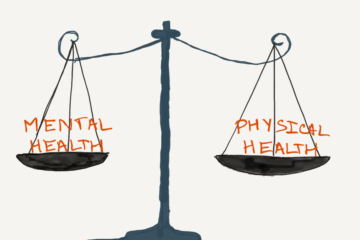
Well-being is feeling good and being able to function effectively. It encompasses physical and mental well-being, and positive psychology provides methods to enhance both.
A few examples:
- Keeping a gratitude journal can enhance Happiness.
- Mindfulness and meditation can decrease stress.
- Doing good for others can lead to increased life satisfaction.
- Positive self-talk enhances self-esteem.
- The more you use these tools, the better you feel.
How to Use Positive Psychology in Daily Life
1. Practice Gratitude
Jot down three things you’re grateful for each day. This simple habit has the power to change your mindset. It turns your attention from what’s not working to what is.
2. Spend Time with Loved Ones
Relationships are essential—Prioritise spending time with family and friends. Communicate, laugh, and engage in discussions. Having a solid support network can guide you through difficult periods.
3. Focus on Strengths
You all have strengths. Perhaps you are compassionate, artistic, or clever at puzzles. Utilise your strengths daily. It helps boost confidence and gives you pleasure.
4. Set Meaningful Goals
Don’t merely pursue money or status. Set goals that align with your values. Ask yourself, “What matters to me?” Strive for something with a purpose.
5. Be Present
Mindfulness means present-centred living. Breathe deeply, listen to the world, and let go of concern about the past or future.
6. Help Others
Acts of kindness boost your Happiness. Volunteer, donate, or smile at someone. Helping others also forms social bonds.
7. Celebrate Small Wins
You don’t need huge success to be content. Even minor advances count. Commemorate your attempts and treat yourself for attempting.
Real-Life Examples
Case 1: Sarah, a busy mom
Sarah was exhausted and overwhelmed. She began a gratitude journal and took a weekly yoga class. In a month, she was more relaxed and optimistic.
Case 2: John, a college student
John had anxiety. He practised mindfulness for 10 minutes daily and worked on his creativity by sketching each evening. He soon felt more in charge.
Case 3: An Office Team
A business implemented “Wellbeing Wednesdays.” Teams celebrated successes and complimented one another, increasing office morale and productivity.
The Science Behind It
Positive psychology is supported by science. Research from leading universities indicates that:
- Individuals who practice Gratitude are 25% happier.
- Individuals with strong social connections live longer.
- Positive thinking can enhance heart health.
Doing good for others stimulates the brain’s reward system, promoting a sense of well-being.
This isn’t feel-good fluff. It’s a hard science.
Final Thoughts
Positive psychology does not ignore problems. It is in touch with what’s good, even when times are tough. It shows us how to grow, connect, and live life fully.
Wellbeing is a process. Begin small. Pick one habit and add to it. Whether making a gratitude list or calling a friend, your actions can brighten your day.
Happiness is not an endpoint. It’s a daily decision.
Frequently Asked Questions (FAQS)
1. Define positive psychology in layperson’s terms.
Positive psychology is the scientific study of Happiness, strengths, and positive behaviours. It is studying what makes life good rather than solving what is wrong.
2. How does positive psychology help with enhancing wellbeing?
Through positive psychology, people can foster better relationships, alleviate stress, cultivate Gratitude, and live purposefully, enhancing their emotional and mental wellbeing.
3. Does positive psychology reduce stress or anxiety?
Sure. Practices such as mindfulness, Gratitude, and focusing on one’s strengths help reduce stress and support anxiety management.
4. What daily practices or habits can one pursue in positive psychology?
Making a gratitude list, spending time with loved ones, setting meaningful goals, and being present are all effective ways to cultivate a sense of wellbeing.
5. To whom do positive psychology techniques apply?
Everybody! Positive psychology enhances mood, motivation, and productivity; therefore, it can be applied by students, parents, business professionals, and business owners.
6. Is positive psychology positive thinking?
Not. Positive psychology is a scientifically based field that focuses on measurable aspects and evidence-based interventions, whereas positive thinking is primarily about cultivating a positive mindset.
7. How soon will the results be apparent?
This depends on the individual and the techniques to use. Some individuals may experience changes within a few days, while others may notice them in a few weeks.