
A single kind of cellular damage or excess or shortage of a particular chemical does not bring on ageing. A single concentration is insufficient to affect ageing itself. The process of ageing involves comprehending the cellular, genetic, and molecular factors that contribute to ageing’s role as a risk factor for the emergence of chronic illnesses. It is increasingly evident that a focused effort to promote better ageing will enhance health and slow or even eliminate the occurrence of numerous diseases.
Longevity is a complicated and multidimensional notion that depends on several variables, such as socioeconomic level, geography, sex, genetics, lifestyle, and environment. Improving general health is essential for promoting longevity and is the main goal of the expanding longevity sector. The goal should be to increase healthy life expectancy because most individuals do not live as long as they could because of illness, and nobody wants to spend their final years in poor health.
Healthier Aging:
The main goal of healthy and successful ageing is to live a longer, more satisfying, and healthier life. Healthy ageing may result from two basic mechanisms.
Factors influencing longevity in lifestyle
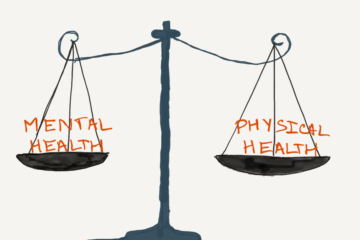
Many factors affect good aging. Certain factors, like genetics, are beyond our control. Others, like frequent medical visits, exercise, a balanced diet, and mental health treatment, are within our grasp.
1. Taking Care of Our Physical Health
Researchers have already found several strategies to increase the likelihood of preserving good health later in life, even as they continue to work on ways to decrease or stop age-related physical health deterioration. Maintaining an active lifestyle, eating a balanced diet, getting enough sleep, avoiding alcohol, and taking charge of your medical treatment are all essential aspects of physical health maintenance.
2. Exercise and Physical Activity
One of the main components of healthy ageing is exercise. According to scientific data, individuals who engage in regular exercise may not only live longer but also live better lives, which means they experience fewer years of pain or incapacity. The key to keeping a healthy weight is exercise. Obese adults are more likely to die, become disabled, and develop several illnesses, including high blood pressure and type 2 diabetes. But being thinner doesn’t always mean being healthier. As an older adult, being or growing too thin can damage your immune system, raise your risk of bone fractures, and, in certain situations, could be a sign of a disease. Loss of muscle mass can result from both obesity and underweight, which can make a person feel weak and quickly exhausted.
3. Getting a Good Night’s Sleep
You can maintain your health and alertness by getting adequate sleep. The average adult needs seven to nine hours of sleep, but older folks frequently don’t get enough. Sleeping can be difficult when you’re ill or in pain, and some medications might keep you up at night. Insufficient sleep can lead to irritability, depression, forgetfulness, and an increased risk of falls and other mishaps.
4. Go to the Doctor Regularly
Regular health exams with your doctor are crucial for ageing well. Regular check-ups can help people lower risk factors for disease, such as high blood pressure and cholesterol, and help doctors identify chronic diseases early. Individuals who visited the doctor regularly also reported feeling better and having a higher quality of life.
5. Healthy Eating
As you age, making wise eating choices might help prevent some health issues and possibly even enhance brain function. Eating healthily is about more than just your weight; it’s just like exercising. Choosing what to eat might be difficult with so many different diets available.
6. Smoking
Smoking is linked to an increased risk of disease in almost all of the body’s organs. The average smoker dies three times as soon as a non-smoker, and they die nearly ten years prematurely. No matter when it happens, giving up smoking can be a decision that changes your life. In addition to potentially extending one’s life by up to ten years, stopping smoking lowers the risk of developing ailments like lung cancer, heart disease, strokes, heart attacks, and other types of cancer.
7. Reduce Stress
An individual’s lifetime can be shortened by chronic stress, which can raise the risk of heart disease, diabetes, high blood pressure, depression, anxiety disorders, inflammation, and obesity. Still, there is hope! One can manage stress and protect one’s mental health in many ways. These healthful practices include writing, yoga, therapy, and meditation, to name a few. Your life will be healthier and longer if you adopt these behaviours into your daily routine and reduce the harmful effects of stress on your body.
8. Taking care of your Mental Health
Your general well-being and quality of life depend on your mental health, also known as mental well-being. It influences our thoughts, emotions, behaviours, decisions, and interpersonal relationships. The secret to healthy ageing is controlling social isolation, loneliness, stress, sadness, and mood with self-care and medical treatment.
9. Leisure Activities and Hobbies
Hobbies and social and recreational activities may reduce a person’s risk of developing specific health issues. Those older than 30 minutes a day who read or had other hobbies had a lower risk of dementia than those who read for at least an hour.
10. Cognitive Health
The capacity for clear thought, learning, and memory is known as cognition, and it frequently deteriorates with age. While some people get dementia, such as Alzheimer’s, many older adults have more subtle changes in their thinking and memory. According to research, learning new skills, maintaining an active lifestyle, and eating a good diet may all contribute to the cognitive well-being of older persons.
Supplements for a Healthier Life
A few vitamins can improve your health and alter how you age, helping you live a longer and better life. However, there is no quick fix for this. Many of these supplements target important chemicals whose decline causes aging and are designed with the characteristics of aging in mind.
Science and Formulation
Our goal in creating Longevity was to replicate this impact by concentrating on these processes. We focused on drugs that replicate the effects of exercise and calorie restriction, among other things. Our objective was to include some of the advantages of functional cells in the food supplement.
NMN
A coenzyme called nicotinamide adenine dinucleotide (NAD+) helps molecules exchange electrons during metabolism. It is essential for about 500 enzymatic processes in the body. Because NMN supplements are a precursor to NAD+ and are rapidly converted to it, they offer a quicker cure. Raising our NAD+ levels can slow down or even reverse the ageing process.
Trans-resveratrol
Resveratrol is a naturally occurring polyphenol found in grape skin and seeds. Because of its anticancer, anticarcinogenic, antioxidant, and estrogenic/antiestrogenic qualities, it has been a hot topic in studies on ageing and longevity. Although it can be difficult to obtain through diet alone, this supplement protects cells from oxidative damage by acting as an antioxidant.
Ca-AKG
Alpha-ketoglutarate (AKG) is a naturally occurring chemical in the body. It has a stable version called ca-AKG. Up to the age of 40, the body can make enough AKG, but after that, production drastically declines. According to studies, AKG levels in the body are only around 10% of what they were at age 40.
Mitochondria and Energy Metabolism
Among the most significant organelles in cells, mitochondria perform a variety of functions that are essential to cell operation.
However, they also require other molecules, or cofactors, to contribute to the creation. The creation of energy could not continue without them.
Support for Mitochondria and Energy Metabolism
B vitamin complex
Alpha-lipoic acid
N-acetylcysteine
CoQ10
Conclusion
It is possible, even though it is a complex idea impacted by some variables, including lifestyle, environment, and heredity! The root causes of ageing and age-related co-morbidities must be addressed to increase longevity. You can improve your chances of living a longer and better life by adopting a healthy lifestyle that includes regular exercise, enough sleep, stress management, and social interactions. Furthermore, there may be longevity benefits to certain supplements, including spermidine, alpha-ketoglutaric acid, fisetin, and senolytic supplements, although further research is required in this area.
Frequently Asked Questions
What is the science of longevity?
Numerous studies have demonstrated that epigenetic mechanisms can lower the risk of disease, lengthen life, and repair damage to DNA.
What is the secret of longevity?
A plant-based diet, giving up smoking, managing stress, exercising, and getting adequate sleep are a few of these. Limiting alcohol consumption, finding joy, being conscientious, and drinking coffee or tea are all beneficial to your long-term health and well-being.
What is the organ of longevity?
The key to a longer lifespan is muscle! Today, many of us recognize the benefits of regular exercise for our physical and mental health and its importance as we age.
What is the power of longevity?
Decreased risk of chronic diseases: Implementing healthy behaviours like regular exercise and a balanced diet can lower your risk of chronic diseases like cancer, diabetes, and heart disease.
What is the best food to live longer?
An analysis of studies conducted in 2022 found that diets containing moderate to high amounts of carbs were associated with longer lifespans, but only if those carbohydrates were unprocessed (think: entire and minimally processed plant foods like vegetables, fruits, legumes, and whole grains).