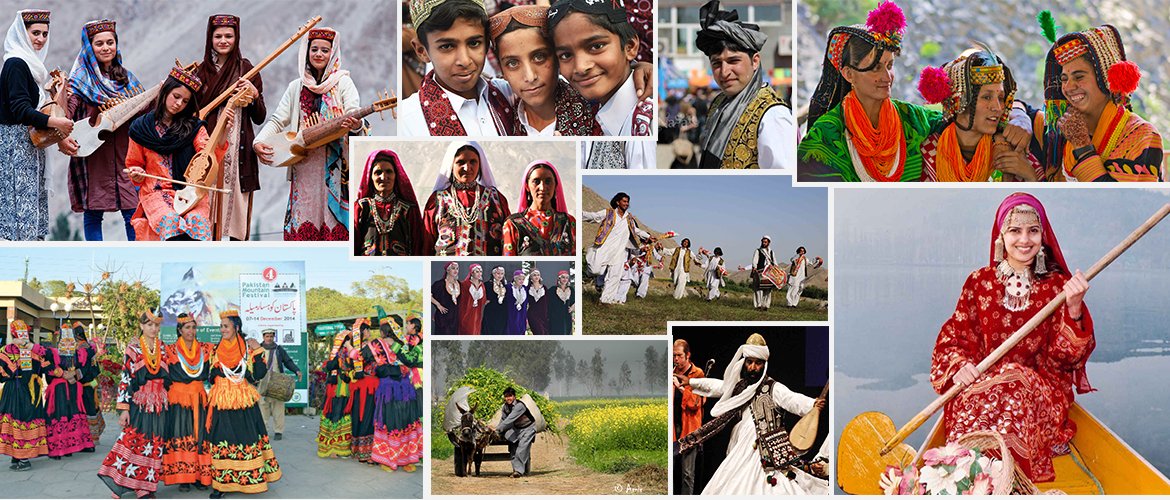
A group of people’s language, religion, food, social customs, music, and artistic expressions are all part of their culture. Culture is a French word derived from the Latin “colere,” meaning to cultivate and nurture or to tend to the ground and grow. A family, a religious community, or individuals from a different town, neighborhood, nation, or city may make up the group. They may also be individuals with comparable life circumstances, work cultures, or ethnic backgrounds. History, language, cuisine, the arts, geography, family values, and beliefs are all examples of characteristics that are frequently referred to as culture. Different cultures, including those of one’s family, religion, age group, and workplace, can coexist in one individual. Each person has their own distinct culture, and all of these civilizations are blended. As we will see, children and adults can learn about other cultures in various ways.
What is cultural awareness?
Being conscious of cultural differences and similarities without passing judgment on others is known as cultural sensitivity or awareness. When you have a non-judgmental perspective, you can observe cultural variations without categorizing them as “good,” “bad,” or “right” or “wrong.” You don’t need to be an authority on other cultures because of this. Instead of reacting automatically to anything you disagree with, you are willing to be open-minded and ask questions to learn more.
- Relationship Between Language and Culture
Culture and language have a lot in common. First of all, both terms characterize a person, including their behaviors, customs, beliefs, and almost every aspect of their existence. While here, it’s critical to recognize that paralanguage is the culturally distinctive non-lexical component of communication. Body language, as well as the tone and pitch of your voice, are all part of this comprehensive strategy. The paralanguage you speak depends on your ancestry.
- Importance of Understanding Different Cultures
It is possible to embrace multiculturalism and reevaluate long-held beliefs by fostering a society that is constructive, tolerant, and sensitive to cultural differences. You evaluate what you consider normal and weird, and you push yourself to think differently about the world.
Understand that there are many distinct civilizations and that each one is unique.
- Recognize the validity of all cultural expressions and backgrounds.
- Be mindful of the cultural differences between you and other people.
- Respect the contributions that people from other cultures make.
- Please encourage others to reach their full potential by pointing out their prejudices.
- Celebrate one another rather than ignoring our differences.
Ways to Build Cultural Understanding and Awareness
Instead of making an effort to meet individuals who are different from you, it is easy to stick with what you know. However, making an effort to comprehend and accept cultural differences can lead to a wealth of new experiences. Here’s what you can do.
Become Self-Aware:
Recognize your prejudices, values, and beliefs. This includes prejudices based on your cultural heritage. Yes, it may be confronting, but by doing this, you’ll be able to consider how these characteristics affect how you see and comprehend differences. Consider the assumptions you make about your friends, coworkers, and random people you see on the street.
Do Your Research:
One excellent method to cultivate an awareness of cultural variety is to learn about other cultures. Going to a local cuisine festival, looking into some internet resources, or watching some foreign films on SBS or Netflix. Check out Common Ground’s resources to learn about Indigenous Australian history and culture, for instance.
Talk to Someone from a Different Cultural Background:
Make an effort to learn more about someone from a different culture. Asking them about their culture isn’t always necessary, but you’ll learn more about their lives and experiences if you get to know them as a friend or peer. It can assist just to be open-minded and curious. Catch up or have a conversation with a friend, coworker, or acquaintance you’ve been meaning to get to know better. Consider them more than just a means of learning about different cultural origins; remember to treat them as you would anyone else.
Travel:
Living with and experiencing different cultures is one of the finest ways to learn about and experience them. It may take some time to save enough, but the most excellent approach to introduce yourself to different cultures is to arrange a vacation abroad to a place you’re interested in.
Be More Accepting:
Specific cultural differences might occasionally be challenging to understand for a variety of reasons. In these circumstances, the best course of action is to recognize that it’s acceptable for some people to be different. Accepting someone doesn’t mean you need to comprehend them or even agree with them.
Benefits of learning about Different Cultures
People throughout the world are quickly realizing the value of learning about, comprehending, and enjoying different cultures in today’s dynamic environment.
1. You get to understand the world Better
There are people from all different cultures throughout the planet. Exposure to diverse cultures, whenever feasible, fosters an appreciation and acceptance of those who are different from you. Additionally, the more your kids engage with kids from other cultures, the more they value and respect them. Taking your kids to summer camps is an excellent opportunity to introduce them to different countries and customs. During camp, they will learn something new regardless of whether they interact with kids from various nations or areas.
2. Minimize Stereotypes
Children who are taught about individuals and their many cultures are less prone to categorize others based on preconceived notions. Everyone is unique. Thus, a community shouldn’t be defined by the actions of one individual.
3. Enhances Effective Communication
The use of language is essential to human communication. It is not, however, the sole element that contributes to successful communication. Communication is improved by cultural awareness in a variety of ways. For example, speaking habits like metaphorical language, presentation, and pace can be influenced by cultural factors. People’s body language and gestures are also influenced by culture. Engaging in social interactions enables you to broaden your communication and get a new view of the world.
4. Personal Growth and Development
You will interact with others more effectively and meaningfully when you are culturally aware. You gain respect and empathy for other people and learn to value their differences and commonalities.
5. Enhanced Career Opportunities
Moving to a new place and learning a new language are common steps in understanding other cultures, as demonstrated above. When job prospects in other nations present themselves, these factors improve your chances of securing them.
6. Understanding Cultural Differences
Gaining knowledge about diverse cultures fosters tolerance and respect. Learning from a culture other than your own exposes you to their philosophies and viewpoints. This has the power to change you into a more understanding and accepting person. Relationships will become more valuable, and disputes will decrease over time. You begin to accept cultural differences and embrace new coping mechanisms in society when you develop cultural awareness. You will be able to interact with many communities politely and overcome all cultural obstacles.
7. Exposure to Different Perspectives
You can identify fresh perspectives that can lead to creative ideas. For example, you might learn that certain cultures deal with problems in different ways, which might influence your thinking in many ways. Additionally, understanding a new culture broadens your perspective on how people from various backgrounds perceive the world. Naturally, you can think more critically and creatively after coming to this knowledge.
8. Globalization and Multicultural Work Environments
People from different cultures become more relatable and understandable as you travel the world. Additionally, this lessens the possibility of cultural disputes while fortifying the cultural bond. Understanding what may not be appropriate for individuals from different origins is possible when one is culturally conscious. This facilitates globalization and the removal of potential obstacles. Keep in mind that your cultural background shapes your worldview.
Conclusion
You can appreciate the diversity of human creation by learning about various cultures. Additionally, it’s critical for clearing up misunderstandings and miscommunications. In addition to developing worthwhile and significant relationships with people, you also learn to value and respect their differences. You will very certainly run with people from different cultures everywhere in the connected world of today. Understanding other cultures makes it easier to deal with a variety of circumstances. Engaging with others improves you as a person, whether you’re a student or an employee in a multicultural setting. Study a foreign culture now to set yourself up for future interactions without any problems.
Frequently Asked Questions
What is the significance of cultural tradition?
Tradition helps people feel at home and like they belong, which unites people and makes it possible to get back in touch with old acquaintances. 2. Values like freedom, integrity, faith, a solid education, personal accountability, a strong work ethic, and selflessness are all reinforced by tradition.
What is cultural tradition?
The phrase “cultural tradition” describes the customs, manifestations, information, and abilities that have been handed down through the generations within a community; these include both material and immaterial elements that are significant for cultural identity and variety.
What are the traditions of Muslims?
The Islamic faith is based on five fundamental principles. Proclaiming one’s beliefs, praying five times a day, offering zakat—a percentage of one’s wealth—fasting during Ramadan, and traveling to Mecca, Saudi Arabia, are some examples.
How are traditions formed?
Sharing beliefs and practices across generations creates traditions. In actuality, a lot of people carry on their childhood customs and teach them to their offspring. Not all customs are worth sharing, though; for instance, you might have detested going out to brunch every Mother’s Day.
What are the significant beliefs and traditions of Islam?
The Five Pillars of Islam—prayer (ṣalāt), charity (zakāt), pilgrimage (hajj), fasting (ṣawm), and the statement of faith (shahādah) in God and His Prophet—sum up the religious duties of all Muslims.